There’s a moment, right after the blower kicks on and the vinyl ribs begin to rise, when a backyard turns into something else entirely. Kids hover at the edge of the tarp, parents pull out phones, and even the most stoic uncle cracks a smile. Inflatable obstacle course rentals have a way of shifting the energy from “gathering” to “adventure.” They invite friendly rivalry, delight toddlers and teens in the same afternoon, and they fill the quiet spaces of a party with joyful noise. I’ve watched it happen at school carnivals, church festivals, corporate picnics, block parties, and dozens of backyard birthdays. With the right setup and a little planning, that surge of excitement can carry your event from first guest to last goodbye.
What counts as an obstacle course, and why it works
An inflatable obstacle course is a series of challenges built into a single, continuous piece of inflatable equipment. The course might start with arched entrances, lead into crawl tunnels, weave through pop-up pylons, climb a slope, and finish with a slide. Some fit into narrow side yards, others sprawl across half a soccer field. Most are designed for head-to-head runs where two participants race simultaneously. The best models are intuitive, so a five-year-old and a forty-year-old both understand where to go without a referee explaining every step.
What makes them special is the pacing. A bounce house is open-ended. An obstacle course has a beginning, a middle, and an end, which creates stories in real time. People get invested in who won the last heat and who has the fastest time. Kids line up for rematches. Adults who planned on mingling end up kicking off shoes and challenging a nephew. That arc keeps energy high and lines moving.
Choosing the right course for your space and guests
I once set up a 65-foot dual-lane course on a cul-de-sac because the backyard sloped too much. The homeowners coordinated with neighbors, we used traffic cones, and it worked beautifully. Not every event needs something that long, though. Start with three pieces of information: your space, your ages, and your schedule.
Backyards and small venues often benefit from 30 to 40 feet of course length. A compact dual-lane with pop-ups, a small climb, and a slide will keep kids busy without swallowing the lawn. For school fields, community festivals, and company picnics, longer units, sometimes 60 to 100 feet, add that wow factor and handle a line without bottlenecks.
Age mix matters more than most people expect. Toddlers can easily get overwhelmed by a tall climb or a steep slide, especially if older kids are thundering behind them. If your event skews young or you’re leaning into toddler bounce house rentals, look for low-profile obstacle designs with soft, rounded features and clear sightlines for parents. When teens are the target, choose higher climbs, quicker slides, and tighter squeeze points. Adults appreciate courses with wide lanes and sturdy handholds.
Schedule is the sleeper variable. If you have a tight two-hour window, you’ll want faster throughput. Dual-lane designs move people twice as quickly as single lanes. A course with fewer decision points and a brisk slide clears the line much faster than a hyper-technical maze where participants hesitate.
Dry, wet, or combo: picking the right format
There’s a time and place for water. If you’re renting in high summer and you have a safe, flat surface with access to a hose, a water slide and bounce house combo or a wet obstacle course is a home run. The water element cools everyone down and adds just enough chaos to keep older kids engaged. If it’s a spring or fall event, or the ground is soft from recent rain, a dry course makes more sense. It’s easier to supervise and keeps clothing clean enough for group photos.
Combos shine when you need one rental to satisfy a range of ages and attention spans. An inflatable bounce house attached to a small slide gives younger kids a safe zone while older siblings tackle the obstacle portion. If your guest list includes toddlers, teens, and adults, consider pairing a moderate obstacle course with a separate toddler-safe jumper. Party inflatable rentals often come in packages that mix a course, a standard bounce house rental, and a few yard games. This makes it easier to keep age groups in their own lane without cutting the fun.
Real-world site planning that avoids headaches
The intake checklist at a local bounce house company covers basics, but a walk-through view helps more. Eyeball overhead. Power lines and tree branches can ruin an otherwise perfect spot. Measure the footprint, add a buffer for tethers, and remember the blower needs clearance and airflow. Most standard blowers draw around 8 to 12 amps while running. Bigger obstacle courses may use two blowers on separate circuits. If your garage shares a circuit with a refrigerator or chest freezer, plug one blower into a different outlet to prevent nuisance trips.
Surface matters. Inflatable party equipment sets best on level grass. If you’re on asphalt or concrete, ask for extra tarps and sandbags. On artificial turf, communicate with the venue about anchoring, because stakes can’t be used. If your yard slopes more than a few inches across the length of the unit, consult the rental company about orienting the course sideways or choosing a shorter model with a lower center of gravity.
Plan the line. Put the start and finish in a spot that pulls people away from grills and doorways. If the course finishes near a fence, space it far enough that excited kids don’t collide with the boundary as they exit. Shade is valuable on a summer day, but avoid trees that drip sap or drop sharp seeds. If shade tents are available, set them up along the waiting area, not over the course itself.
Safety protocols that actually work onsite
I’ve seen the difference a brief, clear safety speech makes. One minute of instruction early in the party sets the tone. Establish one direction of flow, no reverse runners, and shoes off before the start. Keep jewelry, gum, and hard toys out. Watch for ties, capes, and loose costumes that can snag on obstacles. For mixed ages, set “younger-only” windows every hour so little ones get a turn without pressure.
Staffing is a judgment call. Larger events benefit from designated line managers, ideally two adults who trade off. One stays at the start, spacing kids five to ten seconds apart, the other watches the slide exit. At backyard inflatables, the host can do this in short shifts, but if you expect more than twenty kids, consider hiring an attendant through event inflatable rentals. They’re trained to spot bottlenecks, handle power blips calmly, and pause the line if wind picks up.
Weather is the wildcard. Wind thresholds matter, and they vary by unit. Most operators pause inflatables at sustained winds around 15 to 20 mph, lower if gusts are higher. If weather threatens, be decisive and deflate. People understand safety, and bringing the fun back after a short pause builds excitement again.
What separates a pro-grade course from a headache
Not all vinyl is equal. Commercial-grade obstacle courses use heavier vinyl, often 18-ounce, with double or triple stitching on stress seams and reinforced anchor points. Look for sewn-in step handles on climbs and textured, non-slip material on slide lanes. Cleanliness tells you a lot about a company’s process. Well-run teams clean and sanitize after each rental and again during setup when necessary. If you peek at the blower intake and see clean mesh and intact filters, you’re dealing with pros.
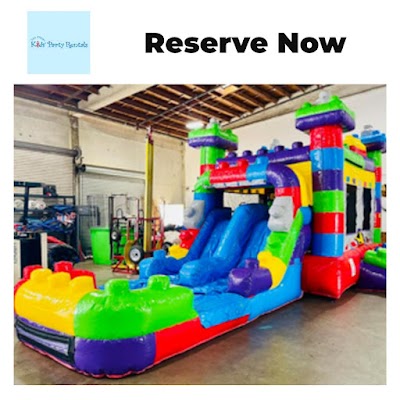
Throughput is determined by design details. Dual-lane entrances with tapered openings reduce jostling. Wide platforms at the top of a slide prevent backups. Narrow internal choke points slow lines more than you think. If you expect big attendance, ask the rental company which models handle lines fastest. Their crew leaders track this in practice, even if it isn’t listed on the website.
Working with a local bounce house company
There’s efficiency in keeping it local. Shorter delivery routes reduce the risk of delays, and local teams know your municipal parks’ rules. They’ll tell you if a permit is needed, where generators can be placed, and whether the park has a GFCI-protected outlet that trips easily. For private residences, reliable pros confirm access width. Many obstacle courses need a 36 to 48 inch pathway from driveway to setup spot. A gate that narrows to 30 inches can be a showstopper.
Good companies are upfront about power requirements, surface anchoring, and weather policies. Ask how they secure units on grass versus pavement. Clarify if your date includes a rain check option. Confirm their cleaning protocol, especially if you’re prioritizing toddler bounce house rentals. If you need additional items, like tables, chairs, or a generator, bundling through one provider simplifies the day and can cut costs.
Pricing varies by region and season. As a rough guide, backyard-scale obstacle courses often run in the low to mid hundreds for a standard day rate, while larger festival-grade units cost more and may require staffing. When comparing, account for delivery, setup, pickup, and any insurance fees. Cheap can get expensive if you end up scrambling for a second power source or waiting on a late crew.
Pairing obstacle courses with other inflatables
A single obstacle course can carry a birthday, but combining it with a targeted inflatable creates zones and gives people choices. For kids party rentals, pair a course with a birthday party bounce house decorated to match the theme. Superhero, princess, jungle, or neutral colors, any of these will keep the younger siblings happy while the older crowd races.
For bigger crowds, a bouncy castle rentals section set away from the obstacle line spreads the noise and the traffic. Teen groups respond well to a taller slide, but shoulder it far enough so that kids exiting the obstacle don’t cross the slide’s landing zone. If you’re leaning into water play, the water slide and bounce house combo can sit near the course to create a “splash zone,” but train your line manager to route barefoot kids away from grass patches that can turn muddy.
Jumper rentals make sense when you need a simple, flexible option. They inflate quickly, handle a steady flow, and shut down easily if wind or rain roll in. Keep an eye on head counts inside. Most standard jumpers handle six to eight younger kids at a time, fewer if they’re older or close to the size limit.
A host’s timeline that keeps things smooth
The best parties start calm and grow. Two hours before guests arrive, clear the path to the setup area. Move sprinklers, mark any shallow irrigation lines, and pick up small branches. When the crew arrives, walk the site with them and agree on angles and anchor points. After setup, test the course yourself. That quick run catches loose stakes, a shifted tarp, or a blower cord stretched too tight.
As guests trickle in, invite a small group for the first run. Early wins set the tone and explain the rules without a megaphone. Rotate in age brackets naturally. If you notice younger kids drifting toward the entrance while teens crowd the line, create a five-minute “littles only” moment. Parents will appreciate the invitation, and teens will enjoy heckling each other while they wait a few minutes.
Plan for a halftime reset. About ninety minutes in, the course will have collected grass clippings and the occasional leaf. A quick sweep with a soft brush at the entrance and slide base keeps traction strong. Swap out a damp tarp if you’re running a wet course. Then kick off a team relay. Breaking the routine mid-event bumps energy without adding more equipment.
Maintenance details you’ll never regret asking about
On paper, every company cleans their inflatables. In practice, habits vary. Ask when they sanitize and what they use. Non-chlorine, kid-safe solutions are the standard. Ask how often they inspect blower hoses and Velcro. Worn Velcro at the slide seam can create gaps that catch socks. When crews are slammed on summer Saturdays, the best ones still take five extra minutes to walk the seams with a gloved hand.
Stake choice is a tell. On grass, 18 to 24 inch stakes driven at an angle hold firm. Short tent stakes are a red flag on larger units, especially tall slides or long obstacle stretches. On pavement, sandbags should be plentiful and secured together so they act as a system. If you’re near a marina or open field where wind can whip, anchor conservatively. A cautious operator is a good partner.
Troubleshooting common hiccups
Power trips are the most common issue. If the blower stops, keep kids off the unit immediately and check the GFCI first. Outlet resets are usually in the garage or at the outlet itself. If the circuit trips repeatedly, redistribute blowers to separate circuits, unplug nonessential appliances, or bring in a small generator with a clean power signal. Cheap generators with uneven output can trip GFCIs just as much as overloaded circuits.
Light rain isn’t the end of the day. Dry courses can run in a drizzle if footing remains safe, but slides get slick quickly. Pause, towel key surfaces, and resume if it clears. Wet courses play through summer showers, yet watch for lightning or wind shifts. If the unit deflates bounce house with slide mid-use, guide participants to the nearest exit quickly and calmly. Courses tend to settle gently, but supervision makes all the difference.
If crowd dynamics get rowdy, reset with structure. Switch to relay teams, create time trials with a simple phone stopwatch, or declare a five-minute snack break. People like boundaries when the energy is high. Volunteers, clearly identified with lanyards or hats, help kids know whom to listen to.
When obstacle courses outshine standard bounce houses
A standard inflatable bounce house is a workhorse. It anchors toddler zones and gives kids a place to burn energy. But there are times when an obstacle course is the smarter choice.
Events with wider age ranges benefit from the built-in challenge that scales with effort. A timid child can walk through the pop-ups at their own pace while a teenager sprints and dives. Corporate events thrive on the team-building angle. You can create departments versus departments, set up brackets, and celebrate wins without a heavy-handed program. School carnivals with tight schedules need throughput. A dual-lane obstacle cycle can process two to three times as many participants as a single-lane slide or small jumper.
The other advantage is narrative. Guests remember who finally beat the fastest time, who biffed at the last hurdle and laughed it off, and the parent who discovered a competitive streak. Those stories ripple through the rest of the event.
Budgeting with intent, not guesswork
Start with your headcount and age mix, then assign a realistic participation rate. For a 3-hour neighborhood party with 40 kids, about 30 to 35 will use the course repeatedly. Factor in crew arrival, setup, and a cushion for pickup. Rental windows often span six to eight hours for the same rate, so it pays to start early and finish relaxed.
If you’re torn between a larger course and an additional smaller unit, think about flow. Two medium attractions with clear lines reduce crowding better than one enormous showpiece. Add-ons like misting fans, shade tents, or a second attendant aren’t glamorous, yet they make the day more comfortable and safe. If you can trim elsewhere, keep those line-of-comfort items in the plan.
Ask your event inflatable rentals provider about weekday pricing or off-peak discounts. Many local operators offer better rates Monday through Thursday, which helps for school field days or company staff events. Bundle your needs. If you also require tables, chairs, or a sound system for announcements, consolidating can lower delivery and staffing costs.
A few anecdotes that shaped how I plan
At a spring church picnic, we placed a 40-foot course perpendicular to a gentle slope without thinking through the runout. Kids finishing the slide would sprint downhill straight into the pie table. After the first near miss, we turned the course ninety degrees and set cones where people naturally inflatable indoor bounce house ran. Problem solved in five minutes, and a lot of pies saved.
At a summer birthday, we ran a wet obstacle course without planning a shoe station. By the second hour, a mountain of footwear collapsed into a mess and guests started mixing up sneakers. A couple of $5 plastic shelves from a big-box store, labeled with painter’s tape, would have prevented it. Now I throw folding racks into the plan whenever water is involved.
At a corporate picnic with multiple activities, we started with open runs and then paused for an “executive challenge” after lunch. People who hadn’t gone near the course all morning suddenly got invested. The line grew, but because we had a second attendant and a dual-lane setup, it moved quickly and the energy carried through the afternoon raffle.
How to talk to your provider like a pro
The fastest route to the right setup is a precise request. Share your usable dimensions, surface type, access path width, nearest dedicated outlets, expected headcount, and age range. Describe the event vibe. Is it a come-and-go neighborhood gathering, a tight-schedule school rotation, or a free-flowing backyard birthday party bounce house kind of day? Mention if you want wet play, if you have theme colors in mind, or if you’ll need toddler-specific space alongside the main attraction.
Ask which models in their inventory are proven for your scenario. Good operators will steer you away from their flashiest unit if it doesn’t fit your lawn or your crowd. Confirm delivery windows, setup duration, staffing, and rain policies. If wind is a concern at your location, get their gust thresholds in writing. Finally, discuss cleanup. Will they need vehicle access to the yard, or can they trolley everything out the side gate without damaging landscaping?
Bringing it all together
Inflatable obstacle course rentals change the feel of an event because they turn passive guests into participants. They bridge age gaps, create small stories, and hold attention without much overhead. Choose a course that fits your space and your guests, aim for dual lanes if you expect a line, and pair it thoughtfully with a secondary attraction if your crowd is large or mixed. Work with a local bounce house company that cares about cleaning, anchoring, and honest advice. Set a few clear rules, designate a line manager, and plan a halftime reset. You don’t need a dozen attractions to make memories. One well-chosen course, placed smartly and run with heart, is enough to turn a backyard or ball field into an adventure worth talking about.
If you already have your date, start by measuring your space and snapping a couple of photos from the house toward the yard and back again. Send those to a trusted provider of inflatable rentals with your headcount and ages. Whether you add a classic inflatable bounce house on the side, opt for jumper rentals for the toddlers, or go big with a water slide and bounce house combo, you’ll be setting up more than equipment. You’ll be setting up a rhythm of laughter, a few friendly rivalries, and that satisfying cheer when someone finally nails a perfect run.